




2026’s Lettuce and Jalapeño Recalls Explain Why I Started Canning My Own Vegetables
hopegirl September 9, 2026 0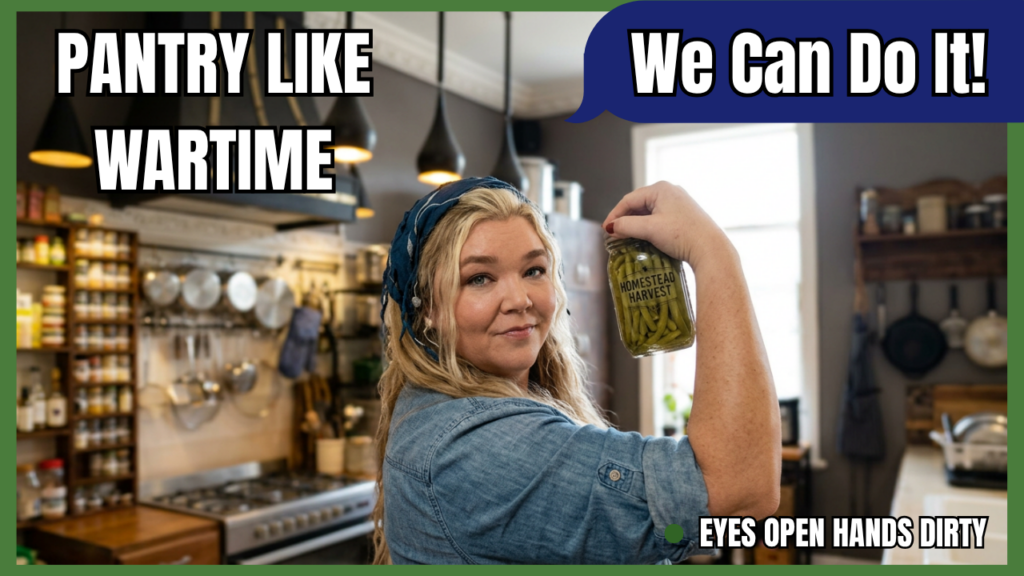
If you’ve eaten at a Taco Bell, Chipotle, or QDOBA any time this summer, there’s a decent chance you crossed paths with one of the two biggest produce recalls of 2026 without ever knowing it. I want to walk through what actually happened, because the specifics matter more than the headline — and then explain why this is exactly the problem home canning is built to solve.
What Actually Happened: The Lettuce
In July 2026, the FDA and CDC opened an investigation into a multistate Cyclospora outbreak tied to iceberg lettuce grown in central Mexico and supplied by Taylor Farms de Mexico. Taylor Fresh Foods voluntarily recalled all iceberg lettuce sourced from that region on July 17. By the FDA’s most recent update, the outbreak had reached over 11,000 confirmed illnesses across 20 states, with roughly 495 hospitalizations and two deaths. The lettuce reached restaurants and grocery stores under names most shoppers would never connect to a recall notice — Marketside-brand bags at Walmart, plus foodservice lettuce served at multiple national chains. Taylor Farms has posted its own recall information here if you want to check lot numbers against anything still in your fridge.
What Actually Happened: The Jalapeños
A few weeks later, a separate outbreak hit. The FDA and CDC traced a Salmonella outbreak to jalapeño peppers grown in Sinaloa, Mexico, and distributed by Coast Citrus Distributors. As of the most recent count, over 400 illnesses had been reported across 32 states. Here’s the part that actually matters for this article: because that pepper gets used as an ingredient, the recall cascaded downstream into salads, dips, guacamole, and prepared foods sold under brand names that never mention jalapeños on the front label. The USDA’s Food Safety and Inspection Service even issued a separate public health alert for meat and poultry products that happened to contain the affected peppers as an ingredient.
Why This Keeps Happening
I want to be careful here, because it would be easy to turn this into a “the food system is out to get you” story, and that’s not what this is. A recall happening is the system catching a problem — it’s supposed to work this way. What’s worth paying attention to is why these particular recalls got so large so fast: a single grower’s produce gets picked up by one distributor, who supplies it to dozens of restaurants, manufacturers, and grocery chains across the country, all before the first person gets sick enough to be diagnosed and traced back to the source. By the time a recall notice goes out, the product has often already been eaten.
That’s not a flaw unique to any one company. It’s just what a long, efficient, national supply chain looks like — and it means a single contamination event at one farm can end up on shelves in 30+ states under a dozen different labels before anyone connects the dots.
How Canning Actually Fits Into This
Here’s where this connects to the video I just posted on pressure canning green beans and carrots. Canning your own vegetables doesn’t make you immune to foodborne illness — you still have to wash and handle everything carefully, and the safety rules I walk through in that video (using tested pressure and time guidelines, never guessing) exist for a reason. What canning at home actually changes is the chain: you know exactly which farm, which garden, or which specific bunch of carrots went into that jar, and every hand that touched it between the ground and the shelf. There’s no distributor in the middle, no downstream ingredient list, no product recall three states away that quietly includes something you bought without knowing it.
And there’s a direct technical connection too — the entire reason pressure canning exists is to destroy the kind of bacteria involved in outbreaks like these. The heat and pressure aren’t a “better safe than sorry” step; per the National Center for Home Food Preservation, it’s the specific, tested process required to make low-acid vegetables shelf-stable and safe. If you want the exact tested times and pressures for canning vegetables at home rather than guessing, that’s where I go — NCHFP’s vegetable canning guidelines are the same source I use for every video in this series.
The Bigger Picture
There’s nothing dramatic about a shelf of home-canned green beans. But Proverbs 6:6-8 points to the ant, gathering food at harvest — not out of panic, but out of quiet, ordinary preparation. That’s really the case for this whole series: not a reaction to any single scary headline, but a steady skill that happens to matter a little more every time a story like this one makes the news.
Watch the Full Video
If you’re just getting started, [Canning 101 Basics] covers the fundamentals this series builds on, and [Canning Vegetables at Home for Beginners] walks through the process this article is based on step by step. Subscribe so you don’t miss what’s coming next — broth, meat, beans, soup, and pickling are all still ahead.
Eyes Open. Hands Dirty.
References
● FDA — Investigation of Multistate Outbreak of Cyclospora Illnesses: Iceberg Lettuce (July 2026)
● FDA — Taylor Fresh Foods Recalls Iceberg Lettuce from Central Mexico Because of Possible Health Risk
● Taylor Farms — Product Recall Information
● FDA — Outbreak Investigation of Salmonella: Jalapeño (August 2026)
● USDA FSIS — Public Health Alert for Meat and Poultry Products Containing FDA-Regulated Jalapeños
● National Center for Home Food Preservation — nchfp.uga.edu
● National Center for Home Food Preservation — Recommended Procedures for Home Canning of Vegetables