





Two Beef Recalls, One Lab-Grown Meat Headline, and Why I Started Canning My Own Meat
hopegirl September 24, 2026 0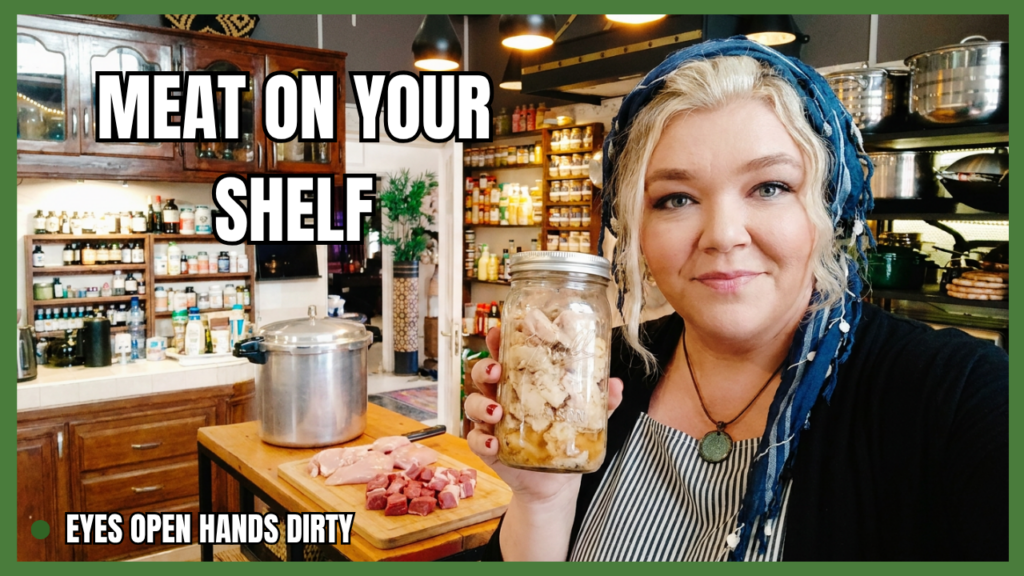
This year alone, there have been multiple beef recalls in the U.S. — different companies, different months, same basic pattern. I want to walk through what actually happened with both of them, touch on something else worth knowing about even though it isn’t a recall story, and then get into how canning your own meat at home fits into all of it.
What Actually Happened: The Ground Beef Recall
In February 2026, CS Beef Packers, LLC recalled approximately 22,912 pounds of raw ground beef after FSIS testing at a downstream customer turned up E. coli O145. The beef was produced January 14, 2026, and shipped to distributors in California, Idaho, and Oregon. No illnesses were confirmed, and the company caught this before it became an outbreak — but it’s a good example of how a single production run at one plant can end up in three states before anyone outside the company knows there’s a problem.
What Actually Happened: The Deli Meat Recall
A few months later, in August 2026, City Foods, Inc. recalled about 3,215 pounds of ready-to-eat pastrami and corned beef — sold under the Midamar Premium Beef Pastrami and Bea’s Best Cooked Corned Beef Brisket labels — over possible Listeria monocytogenes contamination. FSIS classified it a Class I recall, its highest-risk category. The product was produced July 16, shipped to foodservice locations in Illinois, Iowa, and Michigan, and distributed nationwide from there. Again, no confirmed illnesses, and again: brand names on a deli case that most shoppers would never think to connect back to one Chicago producer.
And Then There’s Lab-Grown Meat
This isn’t a recall story, but it’s worth knowing about, because it’s exactly the kind of development where knowing what’s actually in your food is going to matter more, not less. Lab-grown and 3D-printed meat is real technology, not science fiction — companies are growing animal cells in bioreactors or printing meat layer by layer to mimic the texture of a real cut. As of early 2026, Singapore has approved three cultivated meat products for sale, and the U.S. has cleared five through a joint FDA/USDA review process — though regulatory approval doesn’t automatically mean it’s sitting on a shelf near you; retail availability is still limited to a small number of restaurants and markets. I’m not telling you it’s evil, and I’m not telling you it’s coming for your dinner table next week. I’m telling you it exists, it’s moving fast, and how it gets labeled and regulated long-term is worth watching. (I’ve got a whole series coming after this one on sourcing meat you trust, organizing a chest freezer, and preserving meat the old way through brining and smoking — including homemade cold cuts without the nitrates and fillers standard in most deli meat. This is exactly the kind of thing that series is for.)
Why This Keeps Happening
Two different companies, two different contaminants, two different months — but the same shape every time: a long supply chain, several hands between the animal and your plate, and a contamination event that can travel a long way before it’s traced back to the source. That’s not a flaw unique to either company. It’s just what a national supply chain looks like, and it means one problem at one plant can end up on shelves under several different labels before most people ever hear about it.
How Canning Actually Fits Into This
This connects directly to the video I just posted on canning meat — chicken, turkey, and beef, raw pack versus hot pack. Canning your own meat doesn’t make you immune to contamination; you still have to handle and process everything correctly, which is most of what that video actually covers. What it changes is the chain: you know exactly which animal, which source, and every hand that touched it between there and the jar. No distributor in the middle, no downstream ingredient list, no recall notice three states away that quietly includes something you bought without knowing it.
There’s a direct technical connection too. The whole reason pressure canning exists is to destroy the kind of bacteria involved in recalls like these — E. coli, Listeria, and their relatives. Per the National Center for Home Food Preservation’s tested guidance on meat, strips, cubes, or chunks, that’s not a “better safe than sorry” step — it’s the specific, tested process that makes meat shelf-stable and safe without refrigeration. Raw pack (uncooked meat straight into the jar) and hot pack (partially cooked first) are both fully tested and safe; hot pack just tends to pack a jar a little more densely, which is why NCHFP generally lists it as preferred. Raw pack is simply faster, which is exactly why it’s my go-to for cubed turkey and beef.
Once it’s sealed, that jar keeps its best quality for 12 to 18 months on the shelf — no freezer, no thawing, no extra cooking. My favorite way to actually use it: open a jar, drain it, mix with mayo, mustard, celery, and a squeeze of lemon, and you’ve got chicken salad wraps on the table in five minutes, from a jar that’s been sitting on a shelf since the day I canned it.
The Bigger Picture
1 Timothy 4:4-5 says every good gift from God is to be received with thanksgiving. There’s something about opening a jar of turkey or beef you canned yourself months earlier that makes a simple bowl of soup feel like more than dinner — it’s the work of your own hands, put to use exactly when you need it.
Watch the Full Video
If you’re just getting started, [Canning 101 Basics] covers the fundamentals this series builds on, and [Pressure Canning Vegetables] walks through the process one step before this one. Subscribe so you don’t miss what’s coming next — meat sourcing, freezer organization, brining, smoking, and homemade cold cuts are all still ahead.
Eyes Open. Hands Dirty.
References
● FSIS — CS Beef Packers, LLC Recalls Ground Beef Products That May Be Contaminated With E. Coli O145
● FSIS — City Foods, Inc. Recalls Ready-To-Eat Pastrami and Corned Beef Products Due To Possible Listeria Contamination
● FoodNavigator — Where Countries Stand on Cultivated Meat Regulation in 2026
● National Center for Home Food Preservation — Meat, Strips, Cubes or Chunks
● National Center for Home Food Preservation — nchfp.uga.edu
https://nchfp.uga.edu