





Making Marinara Sauce from Garden to Jar. Hopegirls Kitchen
hopegirl April 25, 2026 0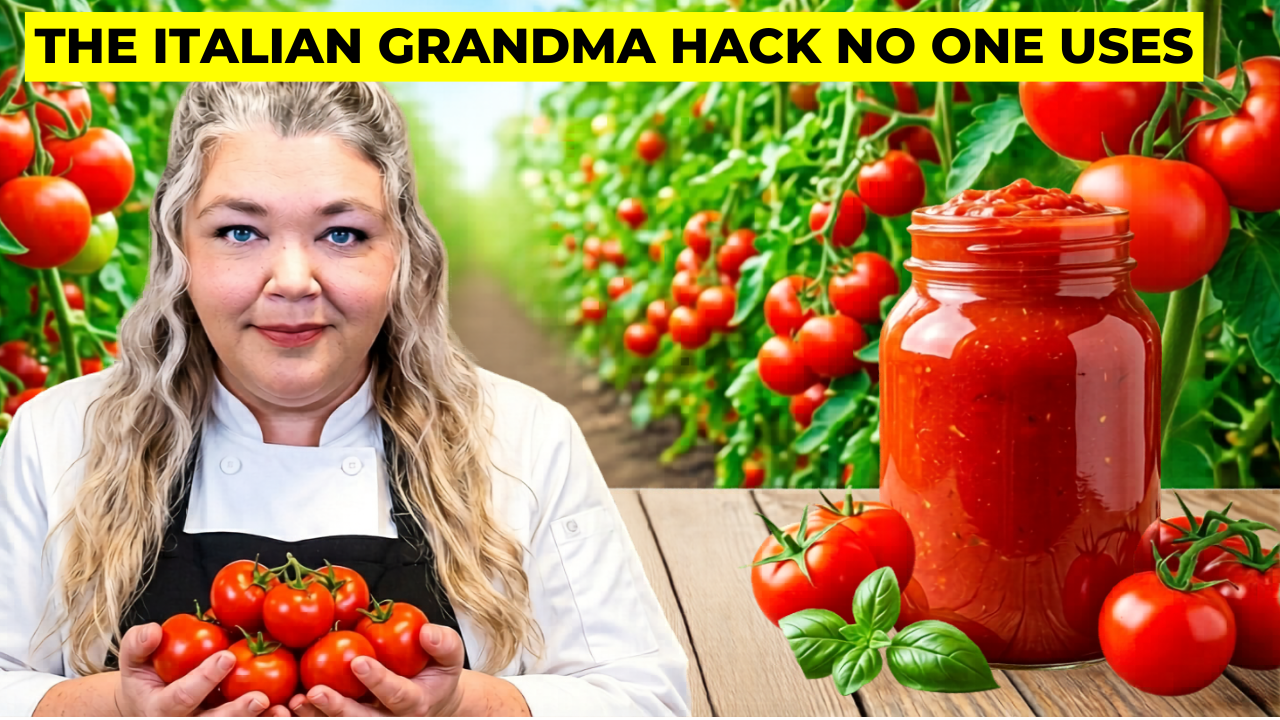
From the Olive Grove to the Kitchen
Today we’re making marinara sauce right in the olive grove. Organic tomatoes, onions, garlic, herbs — basil, savory, oregano, parsley, and rosemary — olive oil from our own trees, a little red wine, and a few canned tomatoes for extra richness. Some Genovese and Thai basil grow outside the kitchen window, with chamomile floating nearby.
The olive oil comes from our grove. We reuse bottles, filling them with oil pressed from our own 80‑year‑old trees surrounded by lemons, figs, pomegranates, and a grove of sunflowers.
A Hot Day in Marrakesh
It’s over 110°F in Morocco. The turban keeps sweat from dripping into my eyes. Behind me, the garden stretches back with raised beds of mescaline mix, arugula, spinach, kale, bok choy, Swiss chard, zucchini, cucumbers, peppers, squash, and tomatoes climbing the trellis. We experiment with shade cloth to protect the plants from the intense sun.
Calendula grows for skincare; lemongrass, garlic, cilantro, savory, dill, and three kinds of basil fill the herb beds. Across the porch, potted broccoli, Brussels sprouts, and mint grow near the greenhouse where I sprout seeds. Even the cats — Leo, Cliffy, and Gracie — keep me company as I chop onions and garlic with a glass of wine and YouTube playing softly in the background.
Preparing the Ingredients
Tomatoes are washed and thrown into the processor without peeling. The stems come off, but the skins stay; it tastes just as good. Organic herbs are rinsed in water with a bit of vinegar — a quick way to disinfect them. The food processor turns the tomatoes pink, but once cooked, they’ll deepen into a rich red sauce.
Each ingredient waits, ready for the pot:
- Olive oil
- Chopped onions and garlic
- Fresh herbs: basil, savory, oregano, parsley
- Sea salt from the Atlas Mountains
- Pepper, bay leaves, red wine, and tomato concentrate
The pot is huge — nearly 36 gallons — enough for a full season’s worth of sauce.
Cooking the Sauce
Olive oil goes first, then onions. When they turn translucent, garlic joins — the moment “the garlic starts to speak.” Once sizzling, it’s time for tomatoes. The bubbling sauce fills the kitchen with the smell of onions and garlic. My husband Tivon walks in, saying, “Oh, that smells so good. I’m so hungry!” Every time I make sauce, the whole house transforms with that familiar Italian aroma.
Basil, oregano, savory, parsley, and bay leaves follow. Then the wine — cabernet or shiraz — giving the sauce deep, robust flavor. Tomato concentrate thickens the texture. A little salt to taste, fresh pepper, and the bay leaves go right in on the stems so they’re easy to count coming out.
The Heritage of Sauce
My Italian‑American heritage runs through every pot. My great‑grandmother, Nanna Mary, lived to 105. She always debated sugar in the sauce. In our Sicilian family, we don’t add sugar. Instead, I use baking soda — bicarbonate de soude — to neutralize the tomato’s acid. Just one or two teaspoons create a fizzy reaction with the wine, softening the acidity naturally. The sauce cooks down beautifully after that.
Cooking with Love
Cooking is about two things: ingredients and timing. The best ingredients and patience make every dish wonderful. Energy, love, and soul go into food that feeds family. Slow cooking brings it all together, and once the sauce is ready, I’m canning it into jars so we can enjoy it months later. Sometimes a jar can last five years — though never in our house. We eat marinara sauce constantly, with meats and pastas.
While the sauce simmers, I make homemade croutons from day‑old bread, tossed with herbs, garlic, oil, salt, and pepper, baked crisp. Dinner cooks too — kale stir‑fry with chicken and rice, all while canning tomato sauce. Multitasking keeps the kitchen alive.
Canning for Preservation
The sauce cooks for about an hour, enough because the pressure canner will finish the job. After cooling to warm, it’s ready for jars. Each jar gets one bay leaf before sealing.
The Presto pressure canner holds five jars at a time, water filled to the line, lid oiled, and sealed tight. It cooks at 15 pounds of pressure for 90 minutes. This method eliminates fear of germs and botulism — the heat and pressure ensure long‑term preservation and food safety.
I wipe each rim with vinegar and water, tighten the lids, and let the pot vent steam for 10 minutes before placing the weight on top. Once the weight jiggles, I set the timer. After the full 90 minutes, the heat turns off, and I wait another 45 minutes for pressure to fall naturally. Opening early would ruin everything; I learned that the hard way once.
When ready, I lift each bubbling jar with the canning tool and set them aside. As they cool, the pinging sound of lids sealing fills the room — a sound of success.
From Garden to Jar
Five large jars now line the counter. The sauce smells amazing, rich, and deep, with bay leaves tucked in each one. Homemade marinara sauce for months ahead — safe, flavorful, and full of love. If it were store‑bought, the same amount would cost twice as much, but this batch comes from our own garden, our olives, and our care.
The Philosophy Behind the Sauce
In every pot of sauce is a story of tradition, patience, and gratitude. From chopping onions in the Marrakesh heat to sealing jars late at night, it’s all a rhythm — garden to kitchen, kitchen to jar, jar to table. This marinara isn’t just food; it’s family, heritage, and devotion sealed in glass.
Five great big jars of tomato sauce. Wonderful, rich, organic, and made with love — from garden to jar.