





Sightings of meteors continue to surge, and scientists aren’t sure why
A string of bright fireballs streaking across the sky in March caught the attention of skywatchers across North America and Europe, prompting questions about whether something unusual was happening above Earth.
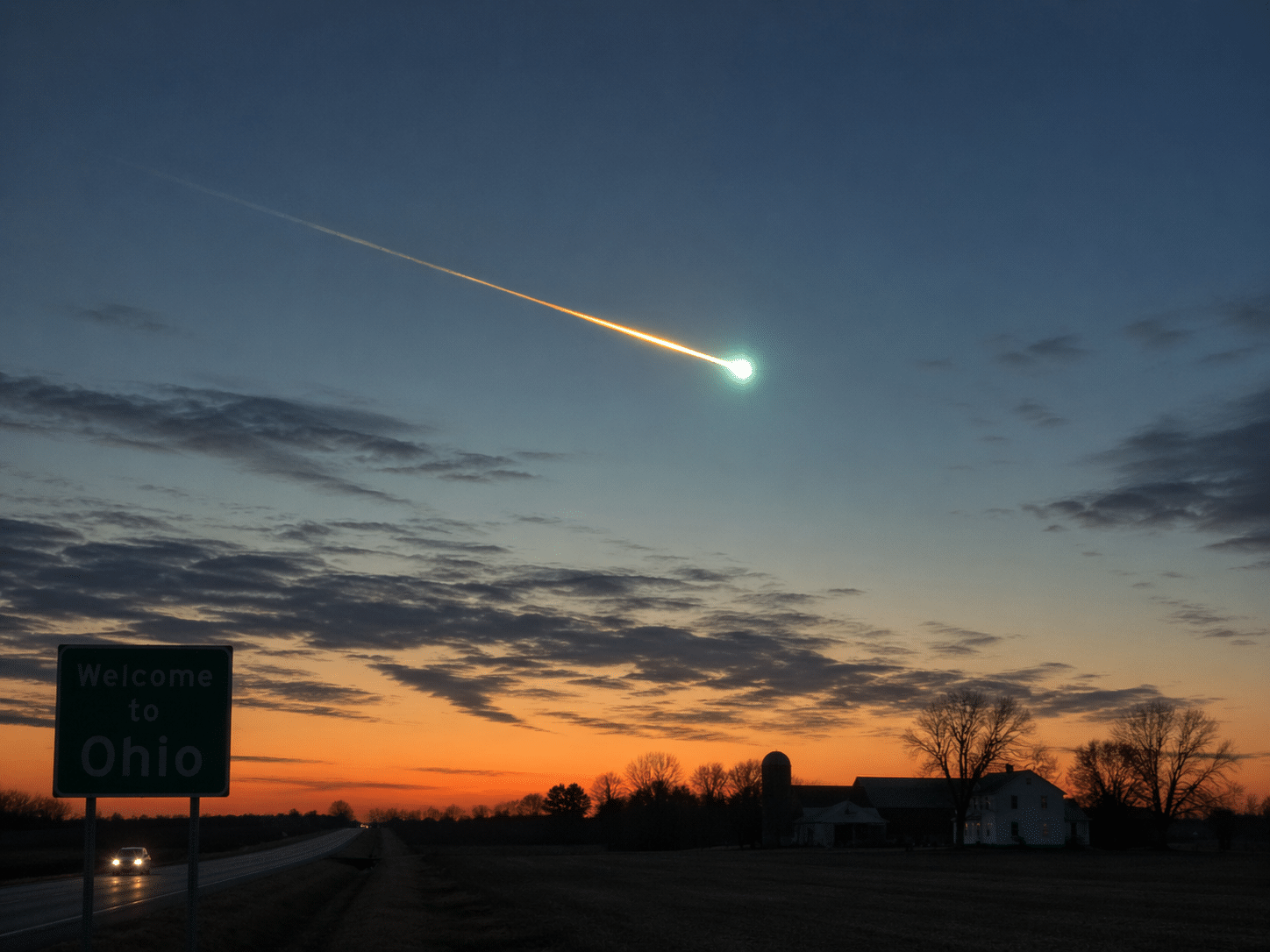
A string of bright fireballs streaking across the sky in March caught the attention of skywatchers across North America and Europe, prompting questions about whether something unusual was happening above Earth.
Reports poured in from multiple states and countries as unusually vivid meteors — known as fireballs — flashed overhead. Some were so bright they were visible across wide areas, and a few were even accompanied by loud booms or falling debris.
According to reporting by The New York Times, the sightings felt clustered enough to seem out of the ordinary. But scientists say the explanation is more grounded.
“There’s no evidence that we’re in some kind of special swarm,” one expert told the publication, emphasizing that the apparent spike is likely due to better detection and reporting rather than a true surge in incoming space rocks.
Fireballs are simply larger or faster pieces of space debris entering Earth’s atmosphere. As they burn up, they can produce intense الضوء and dramatic streaks across the sky. Most disintegrate before reaching the ground.
In recent years, improved technology has made these events more noticeable. Doorbell cameras, dashboard cameras and security systems now routinely capture the sky, while social media allows witnesses to quickly share what they see.
“All of a sudden, everybody has a camera in their pocket,” a scientist said, explaining why sightings seem more frequent now than in the past.
The American Meteor Society, which tracks such events, recorded multiple fireballs over just a few days in March. Some were seen over states including Ohio, Texas and California, while others appeared over parts of Europe.
Despite the dramatic visuals, experts stress there is little cause for concern. Earth is constantly bombarded by small bits of cosmic debris, most of which burn up harmlessly.
“It’s happening all the time,” another expert said. “We’re just noticing it more.”
Scientists also note that March is not typically associated with major meteor showers, meaning these fireballs likely came from random, sporadic debris rather than a single known source.
Fight the Censorship Join the Hopegirl Mailing List and get my free AudioBook: The QEG Chronicles Free Energy Full Disclosure: https://bit.ly/HGQEGBook
HopeGirl Youtube: https://www.youtube.com/@hopegirlblog
HopeGirl Telegram Channel Chat and Groups: https://t.me/Hopegirl587
Get Our Free EMF Survival Guide : https://bit.ly/FTWEMF
10 Percent Off our EMF Protection Products with this Link: https://www.ftwproject.com/ref/tenoff