





Hyperscale data center in Utah expected to use more power — than the entire state
According to a report from The Salt Lake Tribune, celebrity investor Kevin O’Leary’s company is on the verge of securing final approvals for a sprawling hyperscale data center development in Box Elder County that could rival the state’s entire electricity consumption.
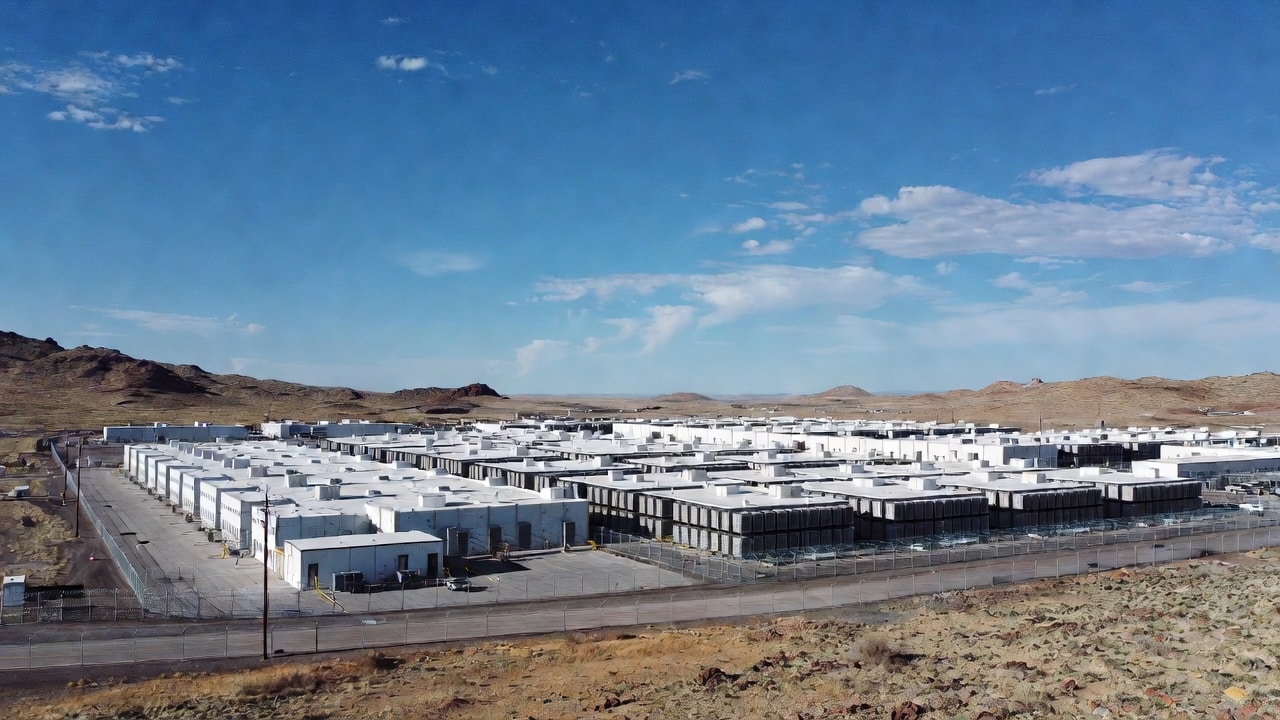
According to a report from The Salt Lake Tribune, celebrity investor Kevin O’Leary’s company is on the verge of securing final approvals for a sprawling hyperscale data center development in Box Elder County that could rival the state’s entire electricity consumption.
The Military Installation Development Authority (MIDA) board approved key resolutions on Friday to propel the multibillion-dollar project forward, offering expedited processes and significantly reduced tax rates to attract major tech clients. The Box Elder County Commission is set to vote on the deal as early as Monday morning after postponing a Friday session.
O’Leary, known as “Mr. Wonderful” from the reality show Shark Tank and a Canadian businessman whose firm O’Leary Digital is leading the effort, expressed amazement at Utah’s rapid pace.
“I heard about this opportunity just five months ago,” he said during a video appearance at the MIDA meeting. “No one has pulled this off this fast, ever. The state gets it, the leadership gets it, and the ability to execute like this is extraordinary.”
The project, spanning roughly 40,000 acres of privately owned land in unincorporated Box Elder County—where all landowners have consented—plus 1,200 acres involving the Utah Test and Training Range and state trust land, aims to generate its own power entirely through a connection to the Ruby Pipeline natural gas system. Proponents say it will not draw from the existing grid and could eventually feed excess power back into it.
Initial phases are projected to demand about 3 gigawatts, approaching Utah’s statewide average usage of roughly 4 gigawatts, with full buildout potentially reaching 9 gigawatts—more than double current state consumption.
It promises around 2,000 permanent high-paying jobs in the rural area, alongside substantial revenue: an estimated $30 million annually for Box Elder County in early stages, scaling to over $100 million at capacity.
MIDA Executive Director Paul Morris highlighted competitive tax incentives, including slashing an energy use tax to 0.5% and directing 80% of certain property tax revenues back to the developer to “lure the hyperscalers”—giants like Amazon, Microsoft, and Google. “We want to make sure we don’t strangle the goose that lays the golden egg,” Morris told the board.
Supporters also point to environmental features, such as advanced water recycling technology that cleans and returns water to an aquifer feeding the Great Salt Lake, claiming minimal net usage and potential benefits compared to traditional ranching. Funds would support modernization at Hill Air Force Base and broader military infrastructure.
O’Leary has framed the initiative as critical for U.S. technological competitiveness against China. County officials, who only recently learned details, plan public input before deciding. The development underscores Utah’s aggressive push to capitalize on the AI-driven data center boom.
Fight the Censorship Join the Hopegirl Mailing List and get my free AudioBook: The QEG Chronicles Free Energy Full Disclosure: https://bit.ly/HGQEGBook
HopeGirl Youtube: https://www.youtube.com/@hopegirlblog
HopeGirl Telegram Channel Chat and Groups: https://t.me/Hopegirl587
Get Our Free EMF Survival Guide : https://bit.ly/FTWEMF
10 Percent Off our EMF Protection Products with this Link: https://www.ftwproject.com/ref/tenoff