





Olive Oil Harvest in Marrakech: How We Make Our Own Traditional Moroccan Olive Oil from Tree to Press
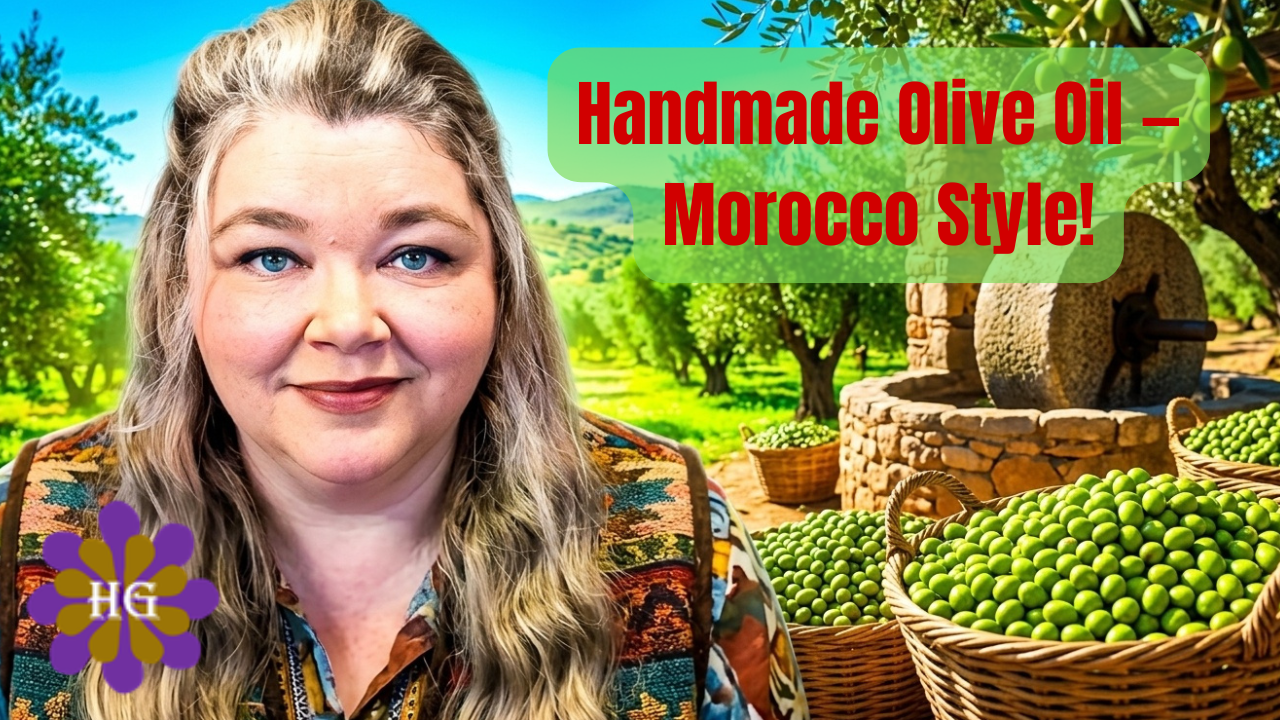
8 Trees and a Whole Lot of Olives
We have about 8 olive trees on our property, and every single one of them gave us a beautiful harvest this year. Standing there looking at all those olives piled up and ready to go, I just felt this deep sense of gratitude. There’s something really grounding about growing your own food — especially when it turns into something as magical as olive oil.
Once we had everything picked and gathered, it was time to load them up and head out. All the olives went onto the truck, and honestly? It felt like a field trip. I was giddy. A field trip to the olive processing plant — yes please!
A Field Trip to the Processing Plant
Pulling up to the plant with our truckload of olives felt like such an accomplishment. The first thing they do when you arrive is weigh everything. That step matters more than you’d think — it sets the baseline before the pressing begins and makes sure everything is accounted for accurately.
I loved watching the whole operation. There’s a rhythm to it, a quiet efficiency that comes from generations of people doing this exact same thing. You can just feel the history in the air.
The Millstone: Ancient Technology That Still Works Perfectly
Now here’s where it gets really fascinating — the crushing process. The machine they use is this enormous stone mill. I mean, it is a giant stone, and the motor that powers it sits right at the bottom. Simple. Effective. Brilliant.
I actually couldn’t help but think of that old saying — “better to have a millstone around your neck…” — because standing right in front of one of these things, you really understand the weight and power behind that image! These stones are no joke.
But what I love most is that this heavy stone method has been used for centuries here in Morocco, and they still use it today because it works. It preserves the purity and texture of the oil in a way that modern shortcuts just can’t replicate. There’s a reason people haven’t abandoned it.
Nothing Gets Wasted — Not Even the Scraps
This is the part that really made my heart happy. Once the oil is extracted, there’s leftover olive paste — the pulp, the skins, all of it. And you know what they do with it? They scoop it up and turn it into Moroccan black soap.
Yes! That beloved, deeply traditional soap that is used all over Morocco for cleansing and moisturizing — it comes from the very same olive harvest. Not a single bit of the fruit goes to waste. The whole cycle is just so beautifully sustainable and intentional.
It’s one of those things that reminds me why I love living this life. Out here, resourcefulness isn’t a trend — it’s just the way things have always been done.
From Our Trees to Our Table (and Our Soap!)
Looking back at the whole experience — from picking olives off our own trees, to loading up the truck, watching the millstone crush them down, and seeing the leftover paste carried off to become soap — I’m just in awe of how complete and connected it all is.
This is what “tree to table” really looks like. This is Morocco. And I feel so lucky to get to live it and share it with all of you.
Until next time — with love and olive oil! 
— Hopegirl